

To prepare students for electrification of the powertrain in commercial vehicles, the renowned HV training system for passenger cars from Lucas-Nülle has been modified and adapted. The special learning concept of the training system, which combines theoretical and practical content in a target group-oriented manner, enables flexible on-site implementation that is taking regional, operational, and industry-specific features into account.
Imagine production without the oppressive costs and time requirements of tooling. Make changes quickly and affordably — at any stage in the production cycle. Create low–volume assembly fixtures and jigs directly from CAD data.
Additive manufacturing is where the world is going, and nothing will get you there faster than the truly transformative 3D production systems from Stratasys.
Innovation and Technology Leadership
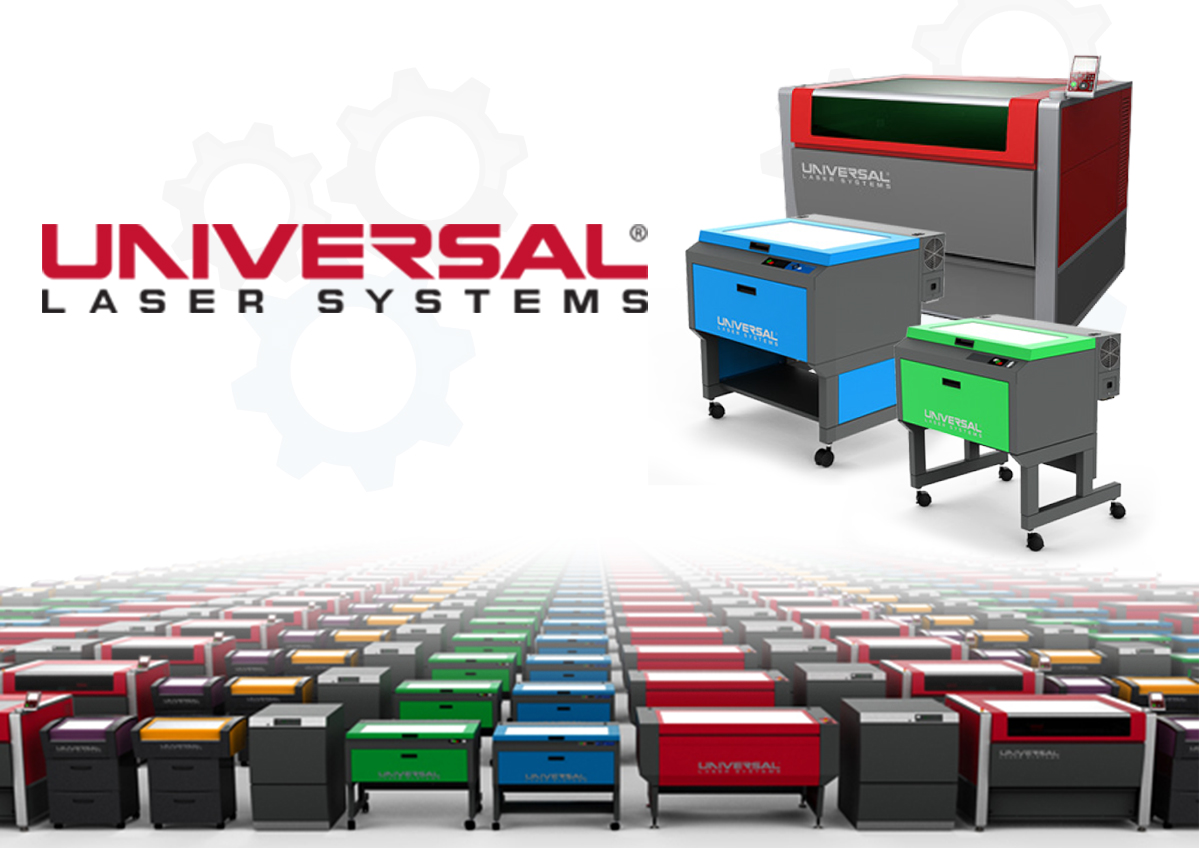
Universal Laser Systems understands the importance of implementing innovative technology into your school. The demand for students to be “technically-savvy” and “digitally literate” has multiplied in just a few years. You want to allow your students to work with the latest technology to prepare them for their futures.
The laser systems they offer can cut through and precisely engrave many materials. Not only will your students gain essential skills, but they will also be able to see their designs and ideas come to life.
Visit Universal Laser Systems to learn more.
*Desktop units are shown on optional air cleaner cart.
Our medical training solutions encompass a comprehensive range of tools to enhance learning and skill development in patient care. We offer cutting-edge medical simulators and K-9 Simulators from TacMed, providing realistic and immersive training experiences for healthcare professionals and first responders. These simulators are designed to simulate real-world scenarios, allowing users to practice critical procedures and decision-making skills in a safe and controlled environment.
In addition to our physical simulators, we also offer virtual reality training solutions through VRNA. Our VRNA CNA and EMS modules are specifically tailored to supplement traditional lab instruction. By leveraging fully immersive VR experiences, VRNA helps instructors optimize their teaching efficiency, reduce split attention during small group activities, and keep students actively engaged in lab content. This approach empowers learners with independent practice opportunities, enabling them to hone their patient care skills with confidence in a zero-risk setting.
Universal Laser Systems (ULS) takes pride in its laser engraving systems' innovative technologies and modular components. With over a million laser system configurations, users can laser engrave on numerous materials with high precision and speed.
ULS laser engraving systems utilize a precise, non-contact process that upholds the integrity of the material even if directed onto small areas.
Laser Systems with Flexibility
Users of ULS laser engraving systems enjoy how easy it is to operate and customize for their specific business needs. With processing areas ranging from 16" x 12" to 48" x 24" and options for single or dual lasers—on top of a host of add-on features and patented technologies—you will have a laser platform that can adapt to your unique requirements.
Universal Laser Systems offers laser sources that range in power from 10 watts to 150 watts and are available in three wavelengths: 10.6μ, 9.3μ, 1.06μ.
Laser Engraving, Cutting, and Marking with ULS Laser Systems
One of the most impressive capabilities of ULS laser machines is the capacity to execute two or three laser processes with the same system—whether laser engraving, laser cutting, and/or laser marking—eliminating the need for multiple laser platforms. Users can enhance business productivity, increase their return on future investments, and take advantage of ULS' patented technologies with a singular laser system.
View Collaborative Robots from FANUC – The world’s leader in industrial robotics and automation. Developed out of the spirit of collaboration, these are the first industrial robot able to work alongside of students without the need for fencing, with the ability to lift and move heavy objects up to 35 kg. These robots stop on contact and restart with the simple push of a button.
These robots are green because... they are different!
In contrast to yellow FANUC robots, the green color lets everyone know the robots are designed to work side by side with humans, and don't require a fence! That frees up a lot of valuable floor space and cuts costs. They have highly sensitive contact sensing technology and soft outer skin, so you don't have to worry about bumping them. It will gently stop if they come into contact with something while working, It's ISO 10218-1:2011 safety certification is proof that it can share a workspace.
Be the difference between students getting a job, or not.
Certify your students in the AM skills industry demands. Preparing the workforce of tomorrow with this hands-on certification gives them a step ahead of the rest.
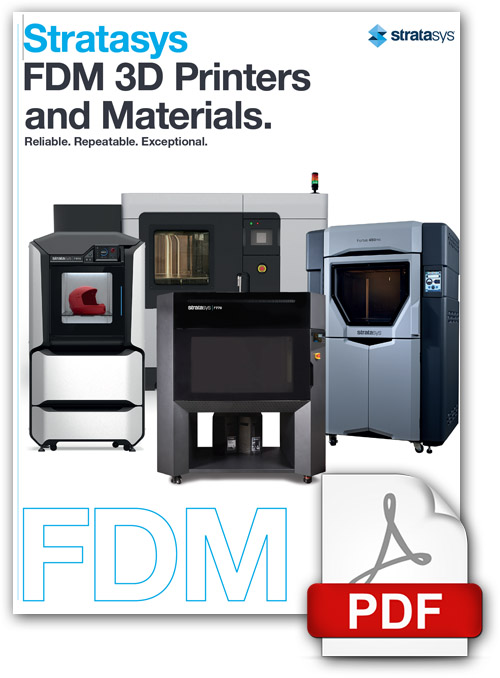
FDM Technology works with specialized 3D printers and production-grade thermoplastics to build strong, durable, and dimensionally stable parts with the best accuracy and repeatability of any 3D printing technology.
Benefits of FDM:
- The technology is clean, simple-to-use, and office-friendly
- Supported production-grade thermoplastics are mechanically and environmentally stable
- Complex geometries and cavities that would otherwise be problematic become practical with FDM technology
FDM System & Material Overview
FDM 3D Printers use a variety of engineering-grade thermoplastics to manufacture functional parts. FDM thermoplastics are environmentally stable, so overall shape and part accuracy don’t change with ambient conditions over time. Materials are easy to change with no mess or complicated processes.
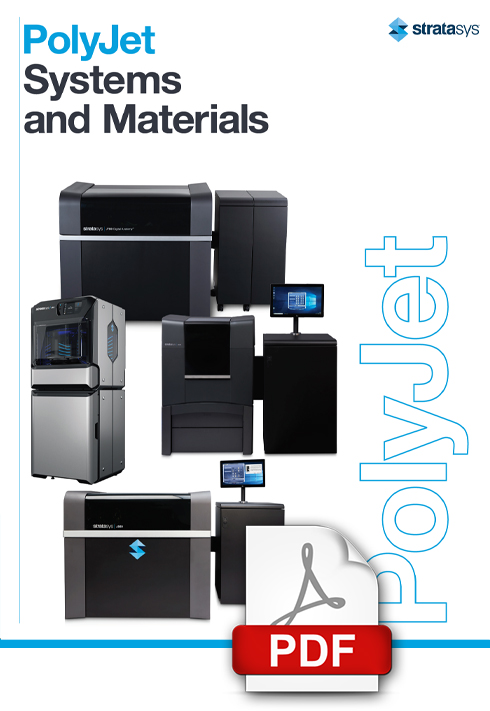
PolyJet is a powerful 3D printing technology that produces smooth, accurate parts, prototypes, and tooling. With microscopic layer resolution and accuracy down to 0.014 mm, it can produce thin walls and complex geometries using the widest range of materials available with any technology.
Benefits of PolyJet 3D Printers:
- Create smooth, detailed prototypes that convey final-product aesthetics
- Produce accurate molds, jigs, fixtures, and other manufacturing tools
- Achieve complex shapes, intricate details, and delicate features
- Incorporate the widest variety of colors and materials into a single model
PolyJet System & Material Overview
PolyJet™ 3D printers empower designers, engineers, educators and healthcare professionals to create and problem-solve without the limitations of traditional methods of modeling. The power lies with PolyJet technology, curable liquid photopolymers capable of producing very fine layers for smooth surfaces, intricate details and vivid color.
A New World of Innovation
Levil Technology is dedicated to designing and producing tabletop CNC machines with many users across many industries. Unlike many tabletops out there, their machines can reach incredible precision and high speeds thanks to their servo-controlled technology.
They are capable of machining and can also digitize, change, and measure tools automatically, perform canned cycle, and much more using a simple-to-use Windows-based software or FANUC control.
Visit Levil Technology
Helping Solve Industry 4.0
APT Manufacturing Solutions has over 25 years of unique insights on industrial needs and applications that help high-tech automation. They are authorized FANUC robotics integrators certified at the highest level (IV).
These years of experience allow APT to design and build equipment and curriculum that advances industry 4.0 and IIoT manufacturing in vocational schools, trade schools, and universities throughout the US.
Innovative Technologies and Lifecycle Solutions for the Marine and Energy Markets
 Wartsila offers best-in-class navigation systems and integrated bridge solutions, recognized training and simulation solutions, renowned VTMS and coastal surveillance systems, fleet and port management systems, onboard and individual decision support systems for professional crew and pilots, as well as popular applications for leisure and the marine mass market.
Wartsila is a trendsetter and visionary of the market for the last 25 years. Wartsila promotes its own concept of e-Navigation as the future model for Marine IT integrating all elements of the marine industry and all systems into one information environment.
Pages
-
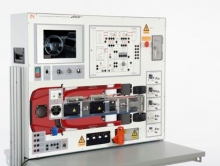 Item Number:CO3221-7D
 -
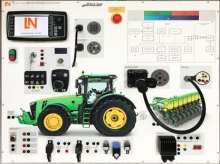 Item Number:CO3221-7FThis training system from the TruckTrain series focuses on the topic of "Smart Farming 4.0" based on the ISO bus. Special attention is paid to the function of "Precision Farming with Section Control", which is implemented in the hardware in a practical and interactive way.
 -
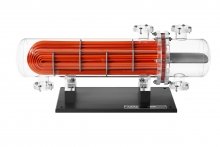 Item Number:285DAC Worldwide’s U-Tube Heat Exchanger Training Model (285) depicts a highly-detailed scale model of a common u-tube heat exchanger in a technically-accurate, professionally-crafted design. Based on a common make and model of a heat exchanger that reflects design standards established by the Tubular Exchanger Manufacturers Association (TEMA) and the ASME.
 -
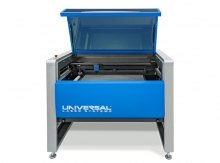 Item Number:ULTRA R5000Tech-Labs technical training solutions.
 -
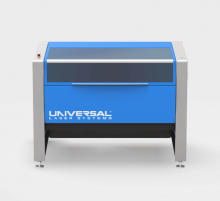 Item Number:ULTRA R9000The ULTRA R9000 platform offers laser material processing for a wide range of materials. It is designed and ideally suited for material processing in manufacturing, research and development, academic research, and prototyping environments. With its unique modular architecture, customizable solutions can be easily reconfigured with a wide array of options for enhancing performance, capability, and safety to complete the perfect solution to meet present and future business needs.
 -
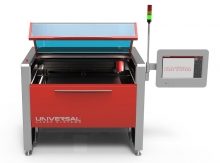 Item Number:ULTRA X6000The ULTRA X6000 platform offers laser material processing for the widest possible range of materials. It is designed and ideally suited for precision material processing in manufacturing, research and development, academic research, and prototyping environments. With its unique modular architecture, customizable solutions can be easily reconfigured with a wide array of options for enhancing performance, capability, and safety.
 -
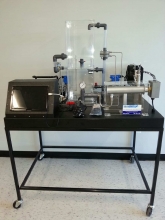 Item Number:130-DTU1 | 130-DTU2 | 132-DTT5 | 132-DTT6 | 132-FCCUUnit Operations give operators a peek inside the systems they work with every day. Includes: Distillation Trainers, a Distillation Tray model, and working demonstrators covering Distillation Towers and Fluid Catalytic Cracking.
 -
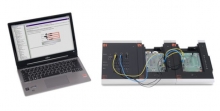 With its open multimedia courses, the UniTrain system has pursued this approach for many years, thus enabling it to be deployed in diverse learning scenarios. The multimedia courses are closely aligned with international standards to allow their integration into numerous learning management systems.
 -
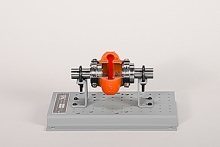 Item Number:200-2083DAC Worldwide’s Urethane Tire Coupling Cutaway (200-2083) highlights a professionally-crafted, sectioned industrial shaft coupling. The full-size, fully-detailed example gives learners a first-hand view into a component that is found in various applications worldwide and supports both instructor-led training and student self-discovery.
 -
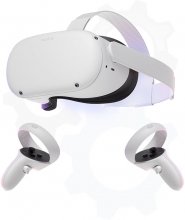 Every individual should be trained with hands-on skills for basic workplace safety. With our Enterprise Safety package, you get seven modules that allow learners to put safety training into practice in a safe, virtual environment. The training modules include Confined Space, LOTO, Fall Protection, AED, CPR, Fire Suppression, and Virus Vision.